← Physical EffectsNeurological Impact
The Brain
The most critical distinction: alcohol causes structural decay (neurotoxicity) — brain cells die and tissue physically shrinks. Cannabis causes functional changes — altering how networks communicate without destroying physical structure.
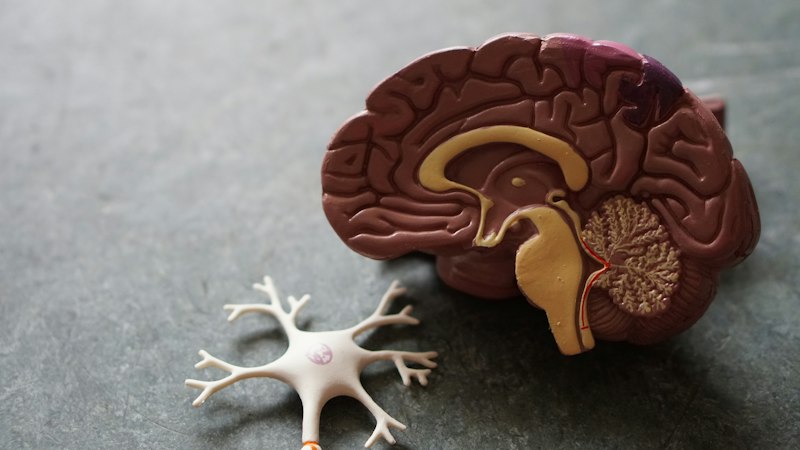
Alcohol: Structural Neurotoxicity
- ▸Direct neuronal death: Alcohol is directly toxic to neurons. Chronic use causes permanent loss of brain tissue, particularly in the frontal cortex and cerebellum.
- ▸Brain shrinkage: Long-term alcohol use causes measurable brain atrophy. The brain physically shrinks, losing grey and white matter.
- ▸Wernicke-Korsakoff Syndrome: Alcohol-induced thiamine deficiency causes permanent brain damage characterized by confusion, amnesia, and confabulation.
- ▸Alcohol-related dementia: 10-24% of all dementia cases in the UK are linked to alcohol-related brain damage (ARBD).
- ▸Withdrawal danger: Chronic alcohol use downregulates GABA receptors. Abrupt cessation causes glutamate storms leading to fatal seizures (delirium tremens, 5% mortality).
Cannabis: Functional Reversibility
- ▸No neurotoxicity: Cannabinoids do not kill brain cells. THC binds to CB1 receptors temporarily altering neural firing rates — it does not destroy tissue.
- ▸CB1 downregulation: Chronic use causes the brain to internalize CB1 receptors to protect itself (tolerance). A landmark PET scan study (Hirvonen et al.) showed this is fully reversible after 4 weeks of abstinence — receptor density returned to levels indistinguishable from non-users.
- ▸Oxford Population Health study (2024): Analyzed UK Biobank brain imaging data using Mendelian randomization. Found no causal support linking lifetime cannabis use to permanent structural decay or long-term neurocognitive decline.
- ▸Adolescent caveat: Heavy use before age 25 (when the brain finishes developing) can cause permanent structural alterations in white matter pathways — but this is a developmental issue, not pharmacological neurotoxicity.
The fMRI Evidence
Functional MRI research shows that cannabis alters brain network connectivity temporarily — changing how regions coordinate during memory or executive tasks. But the underlying physical highway remains intact. Alcohol, by contrast, destroys the highway itself.
Sources: Hirvonen et al. (Archives of General Psychiatry); Oxford Population Health & University of Oxford (2024); DSM-5; Alcohol Change UK