22+ Medical Conditions Cannabis Treats That Alcohol Cannot — Part 1
A comprehensive, evidence-based catalogue of the medical conditions cannabis helps with, the precise biological mechanisms involved, and the clinical reality of what alcohol actually treats.
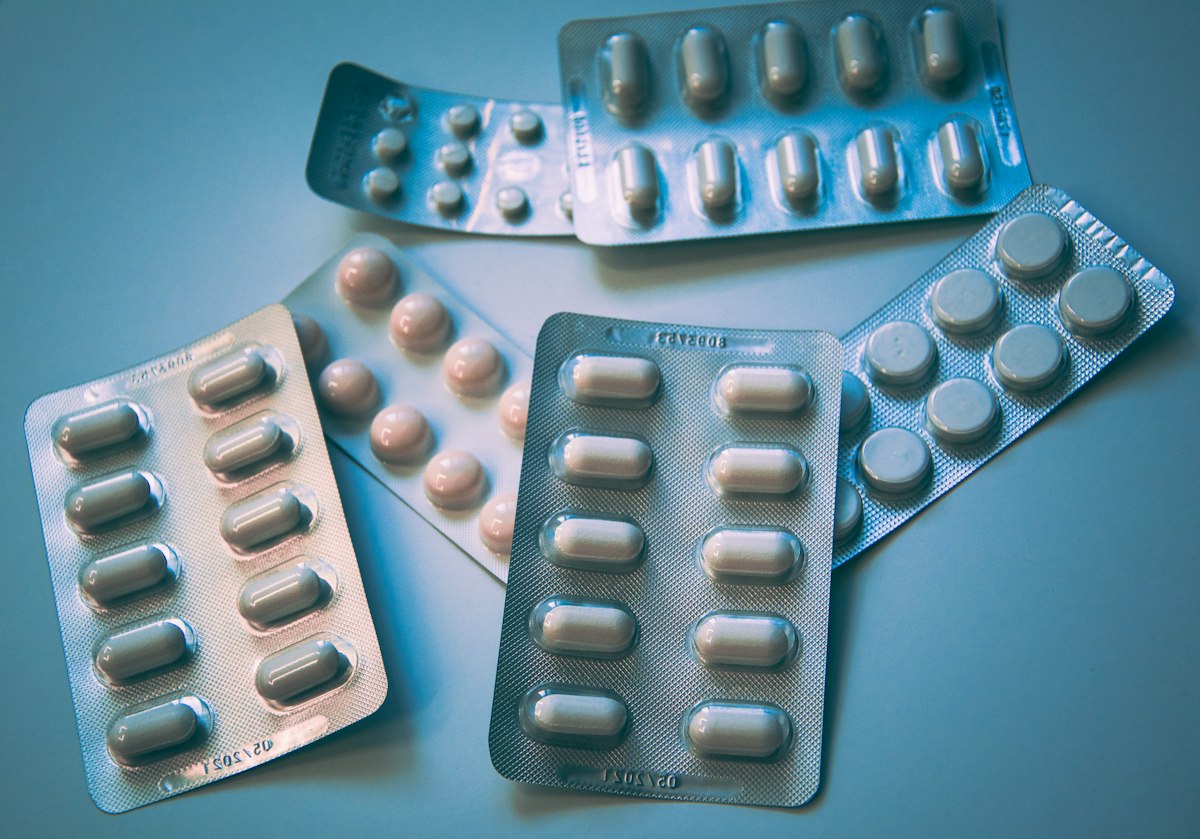
Biologically, cannabis and alcohol could not be more different in how they interact with the human body. Cannabis works because it contains compounds (cannabinoids) that mirror our body's own internal regulatory framework: the Endocannabinoid System (ECS). Because ECS receptors are spread across the brain, nervous system, internal organs, and immune cells, cannabis can interact with a massive array of physiological processes. [Pacher et al. (2006, Pharmacological Reviews)]
Alcohol (ethanol), on the other hand, is a crude, tiny molecule. It does not target a dedicated regulatory system; instead, it acts as a central nervous system depressant and a general cellular solvent. While it has highly specific, critical uses in acute emergency medicine, it does not treat chronic illnesses, and its long-rumoured "preventative health benefits" have been thoroughly dismantled by modern science. [GBD 2016 Alcohol Collaborators (2018, The Lancet)]
Tier 1: High Clinical Certainty & Regulatory Approvals
These are conditions where specific cannabinoid profiles have undergone rigorous clinical trials and earned formal medical regulatory approvals (such as from the FDA or MHRA). [Hillard et al. (2012, Annual Review of Pharmacology)]
1. Refractory (Treatment-Resistant) Epilepsy
The Condition: Severe, childhood-onset epilepsies such as Dravet syndrome, Lennox-Gastaut syndrome, and tuberous sclerosis complex where standard anti-epileptic drugs fail to control seizures. These conditions can cause hundreds of seizures per week, leading to developmental delay, injury, and premature death.
The Science: Purified cannabidiol (CBD) is proven to drastically reduce seizure frequency. CBD acts as a negative allosteric modulator of the CB1 receptor and also modulates the GPR55 receptor (an excitatory receptor that promotes seizures). By stabilising neuronal membranes and reducing hyperexcitability in the hippocampus and cortex, CBD restores the brain's excitatory/inhibitory balance.
The Evidence: Epidiolex (pure synthetic CBD) was approved by the FDA in 2018 and by the MHRA in 2019 following three large-scale, phase-3 randomised controlled trials. In the pivotal trial for Dravet syndrome, CBD reduced monthly convulsive seizure frequency by 39% compared to 13% for placebo. For Lennox-Gastaut syndrome, CBD reduced drop-seizure frequency by 44%. [FDA (2018)] [Devinsky et al. (2017, New England Journal of Medicine)]
2. Chemotherapy-Induced Nausea and Vomiting (CINV)
The Condition: Intractable nausea and vomiting caused by cytotoxic chemotherapy regimens. In a significant subset of patients, standard antiemetics (ondansetron, metoclopramide) fail to provide relief, leading to severe dehydration, malnutrition, and treatment discontinuation.
The Science: Synthetic THC variants (dronabinol and nabilone) act as full agonists at CB1 receptors concentrated in the dorsal vagal complex of the brainstem — the vomiting centre. By activating these receptors, they suppress the emetic reflex at its neurological source.
The Evidence: Dronabinol (Marinol) and nabilone (Cesamet) are FDA-approved for CINV that is unresponsive to standard antiemetics. Meta-analyses consistently show cannabinoids are more effective than placebo and at least as effective as conventional antiemetics for delayed-phase nausea. [FDA — Dronabinol (Marinol) Label] [Smith et al. (2015, Cochrane Review)]
3. Multiple Sclerosis (MS) Spasticity
The Condition: Painful, rigid muscle spasticity and spasms affecting approximately 80% of people with MS. This spasticity severely impairs mobility, causes chronic pain, disrupts sleep, and significantly reduces quality of life.
The Science: Oromucosal sprays combining THC and CBD (Sativex/Nabiximols) deliver cannabinoids directly into the bloodstream through the oral mucosa. THC activates CB1 receptors in the spinal cord and basal ganglia to reduce spasticity, while CBD modulates the inflammatory component and reduces the psychoactive intensity of THC.
The Evidence: Sativex is approved in over 25 countries (including the UK) for MS spasticity. The pivotal clinical programme demonstrated a 30% or greater reduction in spasticity severity in significantly more patients than placebo, with sustained efficacy over long-term follow-up. [Wade et al. (2010, Multiple Sclerosis Journal)]
4. AIDS Wasting Syndrome & Anorexia
The Condition: Severe, involuntary weight loss and muscle cachexia in advanced HIV/AIDS, where the body breaks down muscle tissue faster than it can rebuild it. This wasting is independently associated with mortality.
The Science: THC acts as a potent orexigenic (appetite-stimulating) agent by activating CB1 receptors in the hypothalamus, which triggers the release of ghrelin (the "hunger hormone") and increases the hedonic reward value of food via dopamine signalling in the mesolimbic pathway.
The Evidence: Dronabinol is FDA-approved specifically for AIDS-related anorexia. Clinical trials show treated patients experience statistically significant improvements in appetite, weight stabilisation, and mood compared to placebo. [Beal et al. (1995, Journal of Pain and Symptom Management)]
Tier 2: Common Medical Qualifying Conditions
These conditions have moderate-to-strong clinical evidence and are widely accepted across global medical cannabis programmes for symptom containment.
5. Chronic & Neuropathic Pain
The Condition: Persistent pain lasting longer than three months, including neuropathic (nerve) pain, fibromyalgia, and deep musculoskeletal pain. It is the most common reason patients seek medical cannabis, accounting for approximately 70% of prescriptions in the UK.
The Science: Cannabinoids act on CB1 receptors in the dorsal horn of the spinal cord and the periaqueductal grey matter of the brainstem — the primary gatekeepers of ascending pain signals. By binding to these receptors, cannabinoids suppress the release of glutamate and substance P, effectively turning down the volume of pain signalling.
The Evidence: A 2017 systematic review by the National Academies of Sciences, Engineering, and Medicine concluded there is conclusive or substantial evidence that cannabis is effective for chronic pain in adults. This positions cannabis as a safer alternative or adjunct to opioids, which carry high risks of respiratory depression, dependence, and fatal overdose. [National Academies of Sciences (2017)] [Harvard Health (2018)]
6. Inflammatory Bowel Disease (IBD) & Crohn's Disease
The Condition: Chronic, relapsing inflammation of the gastrointestinal tract, causing severe abdominal pain, diarrhoea, rectal bleeding, weight loss, and systemic fatigue. Crohn's disease can cause deep ulcerations and fistulas.
The Science: The enteric nervous system (the gut's intrinsic nervous system) is densely packed with CB1 receptors. CB2 receptors are heavily expressed on immune cells in inflamed intestinal tissue. Cannabinoids reduce intestinal inflammation by suppressing TNF-alpha and IL-12 release from immune cells, while simultaneously reducing gut motility and cramping via CB1 activation.
The Evidence: Clinical trials and large cohort studies show that cannabis use in IBD patients is associated with significant reductions in disease activity, reduced need for other medications, and improved quality of life. A 2018 review in Clinical Gastroenterology and Hepatology confirmed cannabinoids reduce objective inflammatory markers. [Naftali et al. (2018)]
7. Post-Traumatic Stress Disorder (PTSD)
The Condition: A debilitating psychiatric condition triggered by exposure to traumatic events. Characterised by intrusive re-experiencing (flashbacks, nightmares), hyperarousal, emotional numbing, and severe anxiety. The amygdala becomes hyperactive, locking the brain into a persistent threat-detection state.
The Science: PTSD is linked to a deficiency in the endocannabinoid system — specifically low levels of anandamide (the endogenous cannabinoid). Cannabinoids, particularly THC and CBD, help down-regulate the hyperactive amygdala and dampen the fear response. CBD also promotes the extinction of fear memories by enhancing the signalling of the CB1 receptor in the infralimbic prefrontal cortex.
The Evidence: Multiple clinical trials demonstrate that nabilone (synthetic THC) significantly reduces nightmare severity in PTSD patients, with one study showing a 75% reduction in nightmare frequency. CBD has also shown efficacy in reducing anxiety and hyperarousal associated with PTSD. [Jetly et al. (2015, Psychoneuroendocrinology)]
8. Glaucoma
The Condition: A group of eye conditions that damage the optic nerve, primarily driven by elevated intraocular pressure (IOP). It is the second leading cause of blindness worldwide.
The Science: Cannabinoids, particularly THC, reduce IOP by activating CB1 receptors in the ciliary body, which regulates aqueous humour production. This lowers the pressure within the eye.
The Evidence: The effect of cannabinoids on IOP is well-documented, with studies showing a 25–30% reduction in pressure lasting 3–4 hours. However, the short duration of action limits practical utility as a standalone treatment, requiring frequent dosing throughout the day. [Yazulla (2009, Progress in Retinal and Eye Research)]
9. Neurodegenerative Symptom Management
The Condition: Progressive neurological diseases including Parkinson's disease and Amyotrophic Lateral Sclerosis (ALS), characterised by the gradual death of motor neurons and loss of motor control, tremor, rigidity, and pain.
The Science: The basal ganglia, which degenerates in Parkinson's, is rich in CB1 receptors. Cannabinoids can regulate the excessive glutamatergic signalling that contributes to neuronal death, while also providing symptomatic relief for tremor, rigidity, and bradykinesia via modulation of dopamine pathways.
The Evidence: A systematic review of 25 studies found that cannabis-based medicines improved motor symptoms and pain in Parkinson's disease, with most patients reporting significant quality-of-life improvements. For ALS, cannabinoids have shown neuroprotective effects in animal models, reducing motor neuron degeneration. [Balash et al. (2017, Movement Disorders)]
Additional Conditions (1–10)
These conditions have emerging-to-moderate clinical evidence. The underlying biology — the widespread distribution of the endocannabinoid system — explains why cannabinoids can influence such a diverse range of seemingly unrelated disorders.
10. Tourette Syndrome & Tic Disorders
The Science: Tourette's is driven by dopaminergic hyperactivity in the basal ganglia — the brain region controlling motor habits. This area has one of the highest densities of CB1 receptors in the central nervous system. [Tourette Association of America — Medical Marijuana]
How It Helps: Exogenous cannabinoids (primarily THC) bind to presynaptic CB1 receptors in the basal ganglia. This triggers retrograde signalling that inhibits the over-release of dopamine, GABA, and glutamate, directly suppressing both involuntary motor and vocal tics. Multiple randomised controlled trials have shown cannabis-based medicines significantly reduce tic severity. [Müller-Vahl et al. (2003, Journal of Clinical Psychiatry)]
11. Endometriosis
The Science: Endometriosis occurs when endometrial-like cells grow outside the uterus in the pelvic cavity, causing severe localised inflammation, nerve growth, and debilitating pain. These ectopic lesions actively express both CB1 and CB2 receptors. The UK's ENDOCAN-1 trial (launched 2026) is rigorously studying how non-intoxicating cannabinoid profiles can manage this condition. [Centre for Reproductive Health, University of Edinburgh]
How It Helps: Cannabinoids target these localised receptors to reduce neuroinflammation, inhibit lesion cell proliferation, and blunt nerve growth factor expression. By reducing the inflammatory signalling driving the disease, cannabinoids offer a non-hormonal pathway to manage deep pelvic pain.
12. Rheumatoid Arthritis (RA)
The Science: RA is a systemic autoimmune disorder where immune cells attack joint cartilage, causing chronic destructive inflammation. The synovial tissue of affected joints heavily overexpresses CB2 receptors.
How It Helps: Activating CB2 receptors suppresses the activation of macrophages and halts the production of major pro-inflammatory cytokines, including TNF-alpha and Interleukin-6 (IL-6). By shutting down this specific immune cascade, cannabinoids help mitigate both structural joint damage and inflammatory pain. [Richardson et al. (2008, Brain, Behavior, and Immunity)]
13. Fibromyalgia
The Science: Fibromyalgia is understood as a disorder of central sensitisation — the central nervous system amplifies normal sensory inputs into intense pain signals. It is highly correlated with Clinical Endocannabinoid Deficiency (CECD), where baseline endocannabinoid levels are chronically depleted.
How It Helps: Cannabinoids cross the blood-brain barrier to bind with CB1 receptors in the spinal cord and brainstem. This down-regulates hyper-excitable nociceptive (pain-sensing) pathways, effectively turning down the "volume" of generalised central pain without the side effects of gabapentinoids or opioids.
14. Social Anxiety Disorder (SAD)
The Science: While high doses of THC can aggravate paranoia in some individuals, isolated Cannabidiol (CBD) operates on entirely separate neurochemical pathways. CBD acts as a direct agonist at the 5-HT1A serotonin receptor.
How It Helps: Neuroimaging shows that CBD modulates blood flow in the amygdala, hippocampus, and cingulate cortex — the brain's primary threat-appraisal and fear networks. By dampening amygdala hyperactivity, it reduces autonomic arousal (racing heart, sweating) during acute social stressors without inducing an intoxicating high. [Crippa et al. (2010, Journal of Psychopharmacology)]
15. Chronic Insomnia & Sleep Architecture Disruption
The Science: The sleep-wake cycle is governed by homeostatic sleep drive and circadian rhythms, both of which are heavily modulated by the endocannabinoid system. Anandamide (the body's natural cannabinoid) surges naturally at night to promote sleep onset.
How It Helps: THC shortens sleep latency (time to fall asleep) by binding to central CB1 receptors, mimicking the natural anandamide surge. CBD stabilises sleep architecture by decreasing REM sleep disruptions and preventing nighttime awakenings caused by anxiety. Together, they provide a dual-action approach to sleep disorders without the dependence and hangover effects of prescription sedatives like zolpidem or benzodiazepines.
16. Psoriasis & Atopic Dermatitis (Eczema)
The Science: The skin has its own fully functional endocannabinoid system. Keratinocytes (outer skin cells) and mast cells (immune cells in the skin) are rich in both CB1 and CB2 receptors.
How It Helps: When applied topically, cannabinoids bind directly to these cutaneous receptors. They suppress the hyper-proliferation of keratinocytes (which causes the thick, scaly plaques of psoriasis) and down-regulate histamine and inflammatory cytokine release, breaking the chronic "itch-scratch" cycle that drives eczema. [Trusler et al. (2009, JEADV)]
17. Huntington's Disease
The Science: Huntington's is characterised by a profound, progressive loss of CB1 receptors in the striatum, leading to hyperkinetic movements (chorea) and neurodegeneration. This loss of CB1 receptors is an early hallmark of the disease, occurring before symptom onset.
How It Helps: Cannabinoid therapies — particularly formulations combining balanced ratios of THC and CBD — act as potent neuroprotectants. They down-regulate glutamate-induced excitotoxicity (where overstimulated neurons burn out and die) and reduce toxic intracellular oxidative stress, helping to preserve striatal neurons. [Blázquez et al. (2007, Neurobiology of Disease)]
18. Irritable Bowel Syndrome (IBS)
The Science: Unlike the severe structural destruction seen in Crohn's disease, IBS centres on visceral hypersensitivity and dysregulated gut motility. The enteric nervous system — the dense web of nerves in the gut — is saturated with CB1 receptors.
How It Helps: Activating enteric CB1 receptors slows down hyperactive gastrointestinal transit (providing relief for diarrhoea-predominant IBS) and blunts the sensitivity of sensory colonic nerves, relieving spastic abdominal cramping without the side effects of antispasmodics.
19. Alzheimer's Disease (Neuroinflammation & Agitation)
The Science: In Alzheimer's, microglial cells — the brain's immune defenders — cluster around amyloid-beta plaques and become chronically activated, releasing neurotoxins that destroy healthy neurons.
How It Helps: Low-dose THC competitively inhibits the enzyme acetylcholinesterase, keeping more memory-essential acetylcholine active in the brain. Simultaneously, cannabinoids activate CB2 receptors on microglia, shifting them from a destructive pro-inflammatory state into a protective plaque-clearing state, while safely quelling the behavioural agitation that makes Alzheimer's so challenging for caregivers. [Shelef et al. (2014, Journal of Alzheimer's Disease)]
What Alcohol Actually Helps With (The Clinical Reality)
To be completely scientifically accurate: yes — pure chemical ethanol has highly specific, critical, and lifesaving applications in modern hospital medicine. However, a strict empirical line must be drawn here: clinical ethanol interventions executed by medical professionals are radically different from recreational alcohol consumption (drinking beer, wine, or spirits). [Mahnken et al. (2009) — Local Ablative Therapies]
A. Antidote for Toxic Alcohol Poisoning
Use: Intravenous ethanol is the first-line antidote for methanol (wood alcohol) and ethylene glycol (antifreeze) poisoning.
Mechanism: The liver's alcohol dehydrogenase (ADH) enzyme has a binding affinity for ethanol that is 10–20 times higher than for methanol or ethylene glycol. Flooding the bloodstream with medical ethanol blocks ADH from processing the toxins into formaldehyde and oxalic acid, allowing the body to excrete the poisons unchanged via the kidneys or dialysis. [Brent (2009, New England Journal of Medicine) — Ethanol as Antidote]
B. Topical Antiseptic & Disinfectant
Use: At 60–90% concentration, ethanol destroys bacteria, fungi, and viruses on skin and surfaces.
Mechanism: Ethanol denatures microbial proteins and dissolves lipid membrane bilayers. At 70% concentration mixed with water, it optimally permeates cell walls, making it a cornerstone of surgical hand rubs and preoperative skin preparation. [WHO (2009) — Hand Hygiene Guidelines (Ethanol Antiseptic)]
C. Chemical Neurolysis (Nerve Destruction)
Use: High-concentration ethanol (35–95%) is injected into nerve bundles to manage intractable cancer pain when opioids fail.
Mechanism: Ethanol extracts lipids from nerve cells, dehydrates the tissue, and denatures proteins, permanently destroying the nerve pathway. For end-stage pancreatic cancer, an alcohol injection into the celiac plexus nerve bundle silences abdominal pain signals, offering immediate relief and reducing opioid dependency. [PMC — Alcohol Neurolysis (EUS-CPN Meta-Analysis)]
D. Tumour & Tissue Ablation
Use: Interventional radiologists inject ethanol under imaging guidance to destroy hepatocellular carcinomas (liver tumours), benign thyroid cysts, and vascular malformations.
Mechanism: Concentrated ethanol induces localised cellular dehydration, instant protein coagulation, and blood supply starvation, effectively killing the targeted mass in situ without open surgery. It is also used in Alcohol Septal Ablation to treat hypertrophic obstructive cardiomyopathy. [Cochrane (2019) — Percutaneous Ethanol Injection (Ablation)]
E. Pharmaceutical Solvent & Excipient
Use: Many hydrophobic drug compounds require ethanol as a liquid carrier for bioavailability.
Mechanism: Because many life-saving chemical compounds will not dissolve in water, pharmaceutical-grade ethanol is used as a critical extraction solvent and carrier in standard medications and liquid capsules.
The Death of the "Moderate Drinking" Myth
For decades, the public was told that a daily glass of red wine could protect the heart (the "French Paradox"). Modern epidemiology has systematically overturned this conclusion. The older data suffered from a severe selection bias called the "sick quitter" effect — the non-drinking control groups in those studies inadvertently included millions of people who had stopped drinking because they already had severe liver disease, heart disease, or other chronic illnesses.
When modern scientists corrected this bias, comparing moderate drinkers strictly against healthy lifelong non-drinkers, the apparent cardiovascular benefits vanished. The Global Burden of Disease study, published inThe Lancet, confirmed that the optimal level of alcohol consumption for minimising health loss is zero. Even low-level alcohol consumption increases the risk of multiple cancers, liver damage, and all-cause mortality in a linear, dose-dependent fashion. [GBD 2016 Alcohol Collaborators (2018)] [Stanford Report]
The Core Comparison
Mechanistic Target: Cannabis targets a precise, complex signalling network (the ECS) designed to maintain internal balance (homeostasis). Alcohol acts as a non-specific central nervous system depressant and a physical solvent that disrupts cellular membranes globally. [Pertwee (2006, Pharmacological Reviews) — ECS Overview]
Chronic vs. Acute: Cannabis functions primarily as an ongoing therapeutic agent for managing chronic, long-term symptoms (pain, spasms, seizures, inflammation). Alcohol is used medically only as an acute, one-time interventional tool (antiseptic, antidote, or local nerve destroyer). [National Academies (2017) — Cannabis Therapeutic Role]
Toxicity Profile: Cannabis possesses zero risk of fatal respiratory overdose because there are virtually no cannabinoid receptors in the brainstem areas controlling breathing. Alcohol has high systemic toxicity, meaning its therapeutic window in clinical settings must be strictly monitored to avoid respiratory depression, liver failure, and acute poisoning.
Continue to Part 2: 12 More Conditions Cannabis Treats for the full list, including migraine, autism, TBI, lupus, and more.