Two Completely Different Ways of Affecting the Brain
Alcohol causes structural decay that may be permanent. Cannabis causes functional changes that reverse within weeks. The neuroscience explained.
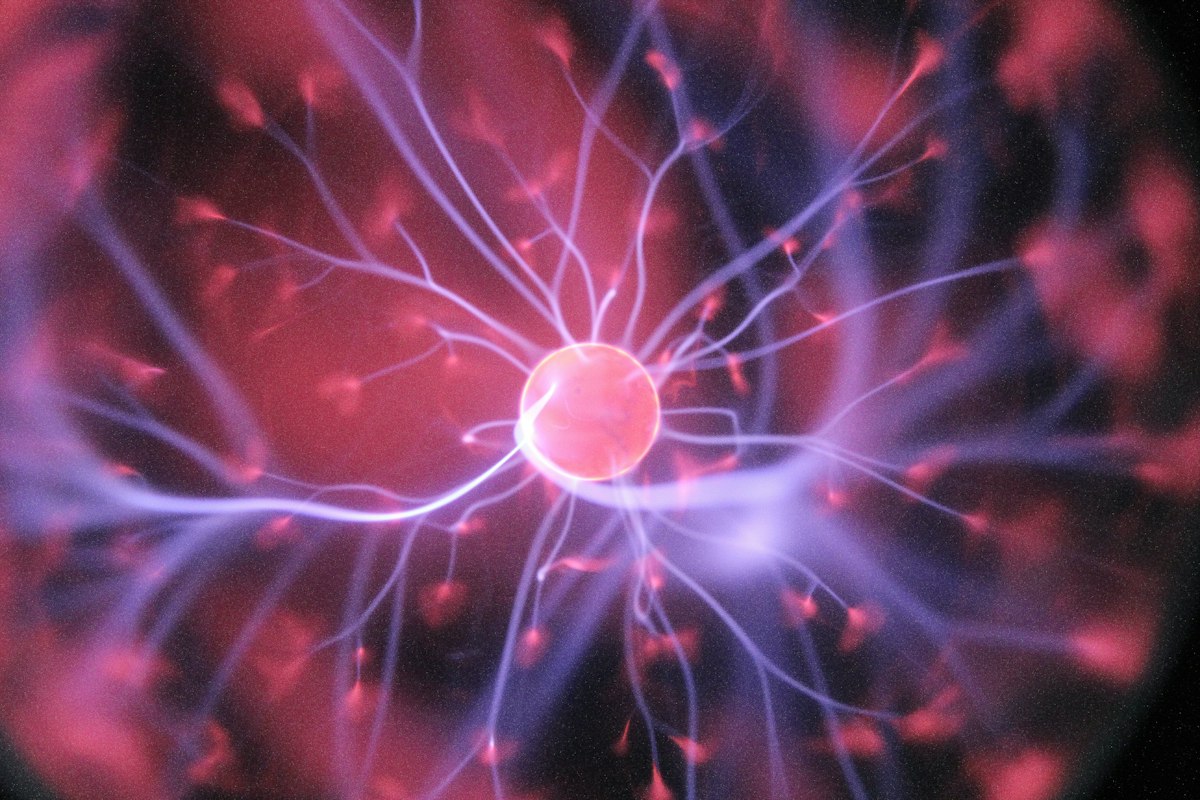
Alcohol and cannabis both affect the brain — but they do so through fundamentally different mechanisms, with fundamentally different consequences. Understanding this distinction is essential to any honest comparison of their harm profiles. One is a broad-spectrum cellular toxin that physically destroys brain tissue. The other is a targeted neuromodulator that temporarily alters signalling patterns without causing structural decay. [Hirvonen et al. (Archives of General Psychiatry)]
Alcohol is a central nervous system depressant that works by enhancing GABA (the brain's primary inhibitory neurotransmitter) and simultaneously suppressing glutamate (the primary excitatory neurotransmitter). The result is a net slowdown of neural activity — slurred speech, impaired coordination, delayed reaction times, and, at high doses, respiratory depression and coma. Chronic alcohol use causes measurable brain shrinkage, loss of white matter integrity, and the death of neurons. These effects are cumulative, and much of the damage is permanent. [Oxford Population Health (2022, PLOS Medicine)]
The mechanism of alcohol's neurotoxicity is well understood. The liver metabolises ethanol into acetaldehyde — a highly reactive, genotoxic compound that directly damages DNA and prevents cells from repairing that damage. In the brain, chronic alcohol exposure causes thiamine deficiency, excitotoxicity, and oxidative stress that destroy neurons directly. Conditions such as Wernicke-Korsakoff syndrome, alcohol-related dementia, and cerebellar degeneration represent structural, often irreversible changes to brain tissue. [GBD 2016 Alcohol Collaborators (2018)]
Cannabis works through the endocannabinoid system (ECS), a regulatory network that evolved specifically to maintain homeostasis. THC, the primary psychoactive compound, partially mimics the body's own endocannabinoids (anandamide and 2-AG), binding to CB1 receptors throughout the brain. Rather than suppressing neural activity across the board, THC modulates the release of other neurotransmitters, producing a state of altered perception, time distortion, and heightened sensory awareness. The ECS is designed to handle cannabinoids — indeed, it produces its own. [Hirvonen et al.]
The most telling evidence comes from a landmark PET scan study by Jussi Hirvonen and colleagues, published in the Archives of General Psychiatry. The researchers scanned the brains of heavy cannabis users and found significantly reduced CB1 receptor density — the brain's homeostatic response to constant cannabinoid exposure. They then scanned the same subjects after four weeks of abstinence. The CB1 receptor density had fully returned to normal. The brain had completely recovered. [Hirvonen et al. (Archives of General Psychiatry)]
A 2024 study from Oxford Population Health analysed brain imaging data from the UK Biobank. While they noted subtle differences in functional network connectivity in cannabis users, their genetic analysis (Mendelian randomisation) found no causal support linking lifetime cannabis use to permanent structural decay or long-term neurocognitive decline. The brain changes its traffic patterns while cannabis is regularly in the system, but the underlying physical highway remains intact. [Oxford Population Health (2022, PLOS Medicine)]
The Quantitative Safety Gap
The toxicological Margin of Exposure (MOE) quantifies this difference. Alcohol has an MOE of less than 10 — meaning a user is only 10 times a standard dose away from a potentially fatal level. Cannabis has an MOE greater than 10,000. This is because the human brainstem — which controls breathing and heart rate — is almost entirely devoid of CB1 cannabinoid receptors. A fatal overdose from cannabis alone is biologically impossible. [Lachenmeier & Rehm (2015)]
The dependence profiles reinforce the contrast. Approximately 15% of regular alcohol users develop alcohol use disorder, and withdrawal (delirium tremens) carries a mortality rate of up to 5% if untreated. Cannabis dependence affects roughly 9% of regular users, but withdrawal, while uncomfortable, is never physically dangerous. The MCDA harm scores — 79 for alcohol, 15 for cannabis in the 2026 CIHR-funded update — reflect this fundamental neurological asymmetry. [Journal of Psychopharmacology (2026)]
For a deeper exploration of how these mechanisms translate into real-world consequences, visit our Brain Health Effects page.
Sources: [Hirvonen et al., CB1 Receptor Recovery (Archives of General Psychiatry)] | [Oxford Population Health (2022, PLOS Medicine), UK Biobank fMRI Study] | [Lachenmeier & Rehm (2015), Margin of Exposure] | [GBD 2016 Alcohol Collaborators (2018)] | [Journal of Psychopharmacology (2026), MCDA Update]