Disease Risk Profiling: Alcohol is a Group 1 Carcinogen
The full breakdown of how alcohol and cannabis affect the body across cancer, heart disease, overdose, and dependence.
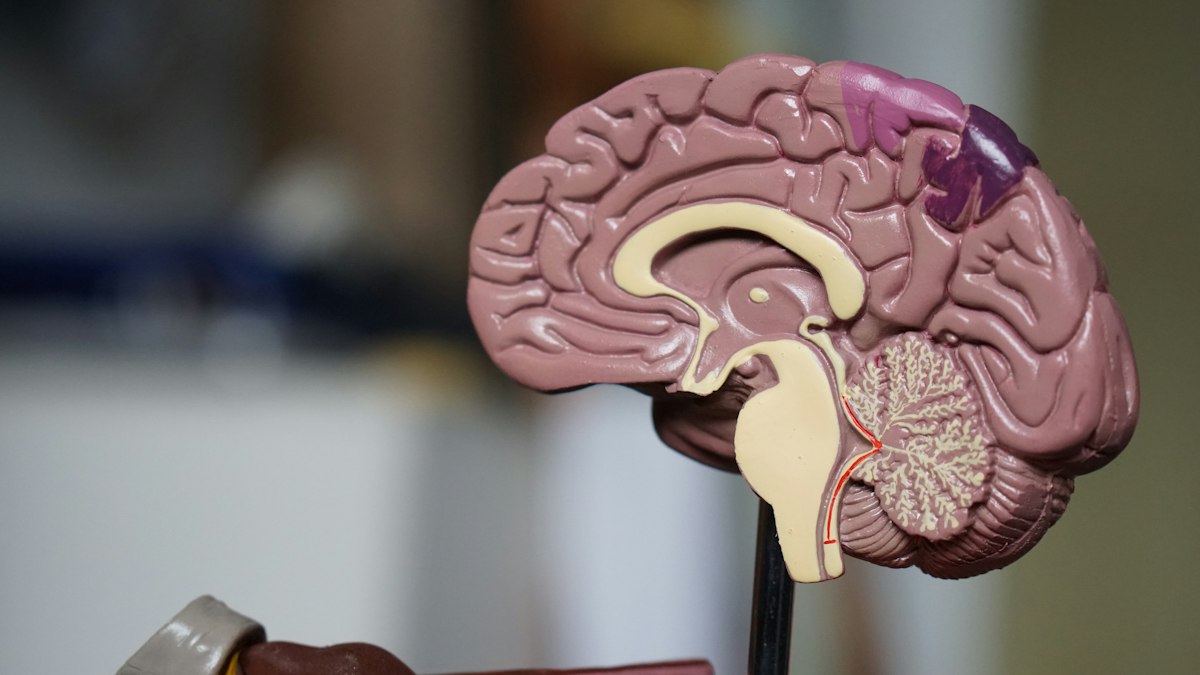
The International Agency for Research on Cancer (IARC), part of the World Health Organization, classifies alcohol as a Group 1 carcinogen — the highest risk category, reserved for substances with conclusive evidence of causing cancer in humans. It shares this classification with asbestos, formaldehyde, and tobacco. Cannabis is not classified as a carcinogen by IARC or WHO. [IARC/WHO — List of Classifications]
Alcohol directly causes seven distinct types of cancer: breast, liver, colon, esophageal, oral, pharyngeal, and laryngeal. In the United Kingdom alone, alcohol accounts for approximately 3.3% of all cancer cases — around 11,900 new diagnoses every year. The mechanism is well understood: ethanol metabolises into acetaldehyde, a genotoxic compound that directly damages DNA and prevents cells from repairing that damage. Every drink increases the risk. [GBD 2016 Alcohol Collaborators (2018)]
The Margin of Exposure Framework
The Margin of Exposure (MOE) index provides a quantitative measure of acute toxic risk. The landmark study by Lachenmeier and Rehm, published in Scientific Reports, found that alcohol falls into the "high risk" category with an MOE of less than 10 — meaning a user is only ten times a standard dose away from a potentially fatal level. Cannabis registered an MOE greater than 10,000, confirming its exceptionally wide safety margin. [Lachenmeier & Rehm (2015, Scientific Reports)]
Cardiovascular Disease
The cardiovascular effects of alcohol are devastating. Chronic consumption causes persistent hypertension, atrial fibrillation (irregular heartbeat), dilated cardiomyopathy (weakening of the heart muscle), and haemorrhagic stroke. Alcohol is a leading cause of premature cardiovascular death in adults aged 15 to 49. The so-called "J-shaped curve" — the idea that moderate drinking protects the heart — has been thoroughly debunked by modern Mendelian randomisation studies, which show that any apparent cardioprotective effect disappears when socioeconomic confounders are properly controlled. [World Health Organization — Alcohol Fact Sheet]
Psychiatric and Cognitive Impact
The psychiatric toll of alcohol is staggering. Alcohol is strongly correlated with clinical depression, anxiety disorders, suicide, and permanent cognitive decline. An estimated 10 to 24% of all dementia cases in the UK are linked to alcohol consumption. Alcohol is also the only recreational substance with a proven causal link to aggressive behaviour — it pharmacologically disinhibits violent impulses by depressing prefrontal cortex function while heightening amygdala reactivity.
Cannabis, by contrast, carries conditional psychiatric risks: it can trigger or accelerate early-onset psychosis in individuals with a pre-existing genetic vulnerability, but the baseline risk for the general population is low. High-THC strains in vulnerable adolescents present the greatest concern. However, cognitive effects from cannabis are reversible with cessation — the landmark Hirvonen PET study showed CB1 receptor density returning to normal within four weeks of abstinence. [Hirvonen et al. (Archives of General Psychiatry)]
Comparison Table
| Risk Category | Alcohol | Cannabis |
|---|---|---|
| Oncological (Cancer) | Group 1 Carcinogen (WHO). Directly damages DNA. Linked to 7 cancer types. | Not classified as a carcinogen. No epidemiological link to lung cancer when controlled for tobacco. |
| Cardiovascular Disease | High risk. Hypertension, atrial fibrillation, cardiomyopathy, haemorrhagic stroke. | Low to moderate. Minor transient cardiovascular stress during acute use. |
| Psychiatric Disorders | Heavily linked to depression, anxiety, suicide, and cognitive decline. | Can trigger early-onset psychosis only in those with genetic predisposition. |
| Fatal Overdose Risk | High. BAC >0.40% causes fatal respiratory depression. Thousands die annually. | Zero. Brainstem lacks CB1 receptors. Fatal overdose is biologically impossible. |
| Physical Dependence | Severe (~15%). Withdrawal (delirium tremens) has up to 5% mortality rate. | Mild (~9%). Withdrawal causes insomnia and irritability but is never fatal. |
The Sick Quitter Effect and the J-Curve
For decades, the public was told that moderate drinking was good for the heart — a myth rooted in the "French Paradox" and confirmed by flawed observational studies. Modern epidemiology has corrected the fatal flaw in those studies: the "sick quitter" bias. Non-drinking control groups included millions of people who had stopped drinking because they already had severe liver disease, heart disease, or chronic illness. When researchers compared moderate drinkers strictly against healthy lifelong teetotallers, the J-shaped curve vanished. The data reveals a linear truth: the lowest risk of health damage is achieved by consuming exactly zero alcohol. [GBD 2016 Alcohol Collaborators (2018)]
The WHO estimates that alcohol contributes to more than 200 disease and injury conditions. No other recreational substance comes close. Explore the full physical toll in our Body Health Effects section.
Sources: [IARC/WHO — List of Classifications] | [GBD 2016 Alcohol Collaborators (2018, The Lancet)] | [Lachenmeier & Rehm (2015), MOE Analysis] | [World Health Organization — Alcohol Fact Sheet] | [Hirvonen et al., CB1 Receptor Recovery]